A First Time Visitors Guide to Marco Island
Updated October 8, 2026
Arrival lodging and the small decisions that make a vacation easier
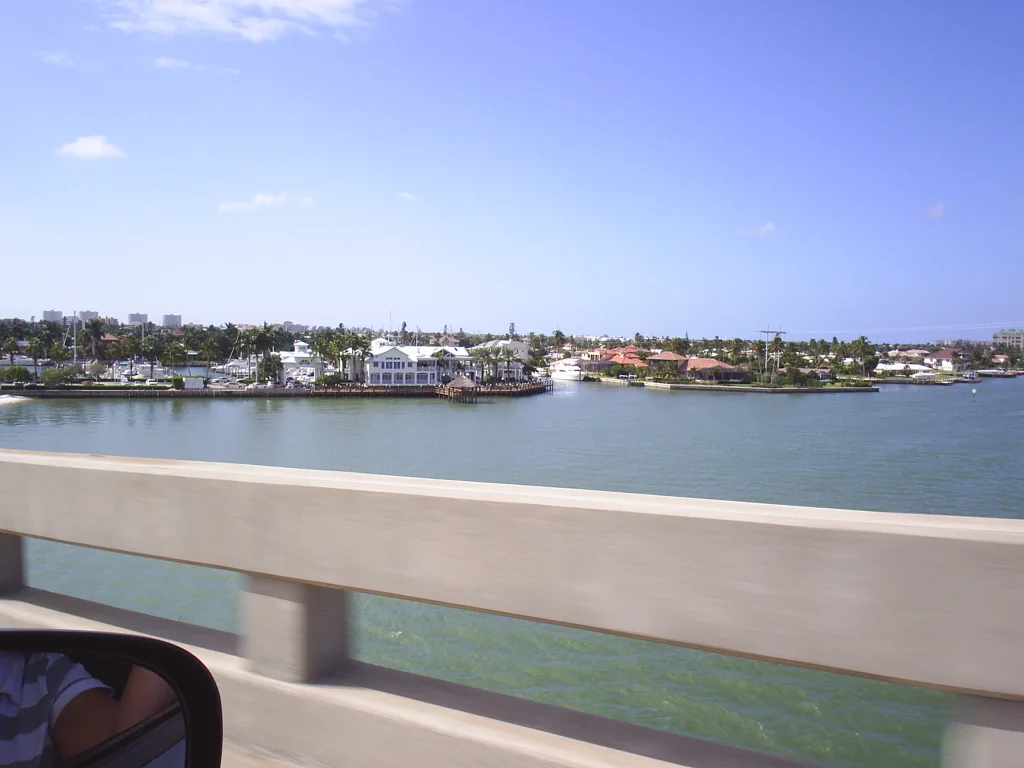
The first time you come over to Marco, it's tempting to fill the calendar before you've even unpacked. A beach morning here, a boat trip there, dinner across the island every night. Give yourself a little time to get your bearings instead. Once you know where you're staying, how you'll get to the sand and which outings matter most, the week becomes much easier to enjoy.
Marco suits a vacation with some breathing room. You can spend a morning outside, come back for lunch and still have plenty of day left. The best starting plan is a comfortable place to stay, reliable transportation and a few things you're looking forward to. This guide walks through those choices, from booking to the trip home. For ideas to build your short list, see Best Things to Do on Marco Island.
Arriving on Marco in a 2006 photograph by Danny Berger. CC BY 3.0. Archival view; it does not show current road or building conditions.
Understand the island before booking your room
Marco Island sits on Southwest Florida's Gulf coast, south of Naples. Think of it as several settings within one destination: the Gulf-facing beachfront, the older village area toward the north, commercial stretches along Collier Boulevard and residential neighborhoods threaded with canals. Your accommodation determines which of those settings you experience most often.
A canal-front house can give you a lovely place to sit outside, but waterfront doesn't automatically mean beach access. Likewise, a hotel with a beach view and one within driving distance of the beach provide different daily routines. Look at the exact property on a map, then ask how guests actually reach the shoreline.
Pay attention to the places beyond the island, too. Naples, Goodland and Isles of Capri can feature in a wider-area vacation, but they aren't interchangeable with staying on Marco itself. If your main goal is an easy island stay, check the address before being persuaded by a listing's use of 'Marco area.'
Rather than choosing the location that is closest to every possible attraction, choose the one that makes your most frequent activity easy. A beach-focused couple may value a direct route to the sand. A family spending a week together may get more use from a kitchen, laundry and enough bedrooms. Someone planning several mainland outings may care more about driving arrangements than an uninterrupted Gulf view.
Choose lodging for the day you want to have
A hotel or resort when convenience matters
A hotel can simplify a short visit, particularly when you want housekeeping, a staffed front desk and facilities in one place. A beachfront resort may make it easy to return to your room between swimming and dinner. Find out which services are included, which cost extra and whether any facilities have age or guest-access restrictions. Browse our Marco Island hotels directory to compare local options.
Compare the final stay total rather than the first nightly rate you see. Parking, resort fees, taxes and optional services can change the difference between two properties. Ask about the room category as well: 'view,' 'partial view' and 'beachfront' may describe different experiences. Know what you're paying for before arrival.
A condo or house when you want more room
A rental can work well for a longer trip, especially if breakfast at home and a place to do laundry are part of the appeal. Read the details of the specific unit. A photograph of the building's pool doesn't tell you its operating rules, and a photograph of the beach doesn't establish a guest's right to use a particular entrance.
Before booking, confirm the minimum stay, occupancy limit, parking allowance and check-in procedure. Ask whether registration is needed at the building and who handles a problem during the stay. If you're arriving late, make sure the entry instructions work after office hours.
Treat the equipment list as part of the accommodation decision. A washer, travel crib or beach cart can be helpful, but it only saves you trouble if it is actually available for your dates. Confirm the items your group depends on and keep the answers with the booking information.
Arrange the journey all the way to your front door
For a conventional airline trip, Southwest Florida International Airport, known as RSW, is a useful starting point when comparing flights. It is in the Fort Myers area, so landing there still leaves a road journey to Marco. Compare flight arrival time with rental pickup, the drive and your property's check-in arrangements.
Marco Island Executive Airport is a general aviation airport. Don't assume its name means your usual airline flies directly to the island. If you have a private or charter flight arrangement, confirm the airport and onward transportation with that operator.
At RSW, on-site rental cars are handled through a service center at the parking garage. The airport says on-site rental companies remain open through the processing of the last arriving flight; it also recommends contacting your chosen company about a late arrival. Off-site rental businesses can have different operating hours. Keep that distinction in mind when comparing rates.
An arranged transfer can suit a trip where you expect to spend most of your time at your accommodation. Give the driver the complete address, party size and luggage details, and discuss any child seats or accessibility needs before confirming. If you choose a transfer, also decide how you'll make ordinary island trips after the driver leaves.
For drivers approaching from I-75, exit 101 connects with Collier Boulevard, the usual approach to Marco over the Jolley Bridge. Use current navigation and traffic information for the journey. A quoted drive time is a starting estimate, especially when it omits airport pickup or stops along the way.
Decide whether you want a car
A car is a practical choice if your trip includes a rental away from the beach, regular grocery runs or outings beyond Marco. It lets you change plans without coordinating a pickup each time. Balance that convenience against rental cost, lodging parking charges and the places you'll actually visit.
You can plan a stay with less driving if your accommodation puts the beach, meals and the facilities you want within comfortable reach. Trace the walking routes rather than measuring a straight line on the map. Road crossings, shade and the return walk in the heat can matter as much as the distance.
If you're relying on taxis or app-based rides, allow time to arrange them and have a return plan for evening outings. Don't build a tightly timed reservation around an assumed pickup. For an airport departure, a confirmed arrangement is more reassuring than starting the search when it's time to leave.
Collier Area Transit lists Route 21 as the Marco Island Circulator. It is scheduled public transportation, so look at the current map, stops and return times before deciding whether it suits an outing. Check the appropriate day-of-week timetable and service alerts. A useful bus route for one trip may not cover the rest of your plans.
For a first visit, choose one main way of getting around and use the others where they help. You don't need to rent a car, bicycles and another vehicle simply because all three appear in vacation suggestions. Make the transport fit the week you've booked.
Give arrival day a smaller job
Keep the first evening close to your accommodation. Travel has a way of taking longer than the flight itself: collecting bags, sorting out the car and finding the right building all count. A simple dinner is easier to enjoy than a reservation you're watching the clock to reach.
Once inside, find the practical things first. Check the door instructions, parking space, towels and any equipment you expected to be supplied. Note how to contact the host or front desk. If something essential is missing, raising it early gives the person responsible a chance to help.
For a rental stay, buy enough for the next breakfast and the first day's drinks and snacks. You can do a more considered shop once you've seen the kitchen and know what the group wants. A large grocery order before arrival can leave you with duplicates, too little refrigerator space or ingredients for meals no one ends up cooking.
If there's still daylight, take a short orientation walk. Find the route out of the property, the nearest useful crossing and the entrance you'll use the next morning. Keep the walk easy. There will be time for a longer exploration when you're rested.
Make the first full day about finding your rhythm
Choose one main outing for the morning. That might be your first beach visit, a booked excursion or simply a look around the area where you're staying. Leave the afternoon flexible enough to respond to how the group feels. A nap, a swim at the property or a quiet lunch can be a perfectly good use of vacation time.
For the beach, establish the access arrangement before you go. Staying near the shoreline doesn't by itself grant access through a neighboring resort or condominium. Our Marco Island Beach Guide explains the public entrances, parking and the different experience at South Beach and Tigertail, so you can make that choice without guessing.
This first day is also when you learn the useful details that no itinerary can settle in advance: how long the children want to stay outside, whether the grandparents prefer an earlier meal and how much equipment you're willing to carry. Use that information to shape the remaining days instead of forcing everyone through the original plan.
Reserve the experiences that depend on a place or a date
Book ahead when availability is essential to the reason you're coming. That could be an outing for a large group, a particular excursion or a celebration meal. Leave ordinary meals and unstructured time with more room to move. You want a few reservations that support the trip rather than a calendar that dictates every hour.
Before paying for a water excursion, ask what kind of boat or activity you're booking, where it departs and how long you'll be away. Clarify shade, seating, boarding arrangements and what is provided. A quiet wildlife cruise and an active paddling outing call for different expectations, even when both promise time on the water.
Read the cancellation and weather policies. Find out whether an operator's cancellation leads to a refund or a rescheduled trip, and what applies if you choose to cancel. Consider booking a priority outing early enough in your stay that another date could work, subject to the operator's availability.
For evening plans, check the events calendar for your actual travel dates. A venue may have music on one night and a different program on another. Keep a saved copy of confirmations and departure locations together so everyone in the group is working from the same information.
Let the weather shape the pace
Southwest Florida has a wetter warm season and a generally drier part of the year. In warm weather, an earlier outdoor start and an afternoon break can make a long day more comfortable. That is a useful planning habit, not a promise that every morning will be clear or every afternoon will bring rain.
Use the forecast for your dates and check again during the stay. Wind can affect the comfort of a boat trip even when the sky looks inviting. On cooler days, a light layer may earn its place in your bag, especially in air-conditioned buildings or on the water.
Choose an indoor alternative before you need it. The Marco Island Historical Museum is a useful first-visit stop because it explains the island's Calusa history, pioneer communities and modern development. Its published visiting hours are Tuesday through Saturday, 9 a.m. to 4 p.m., with national-holiday closures; admission is free. Fit it into an open day rather than assuming it will be available whenever a shower arrives.
The museum also gives you a different way to look at the streets outside. The residential canals and developed shoreline have a history, while the island's human story reaches much further back. An hour spent with that story can make the rest of the visit more interesting than another afternoon built only around sightseeing stops.
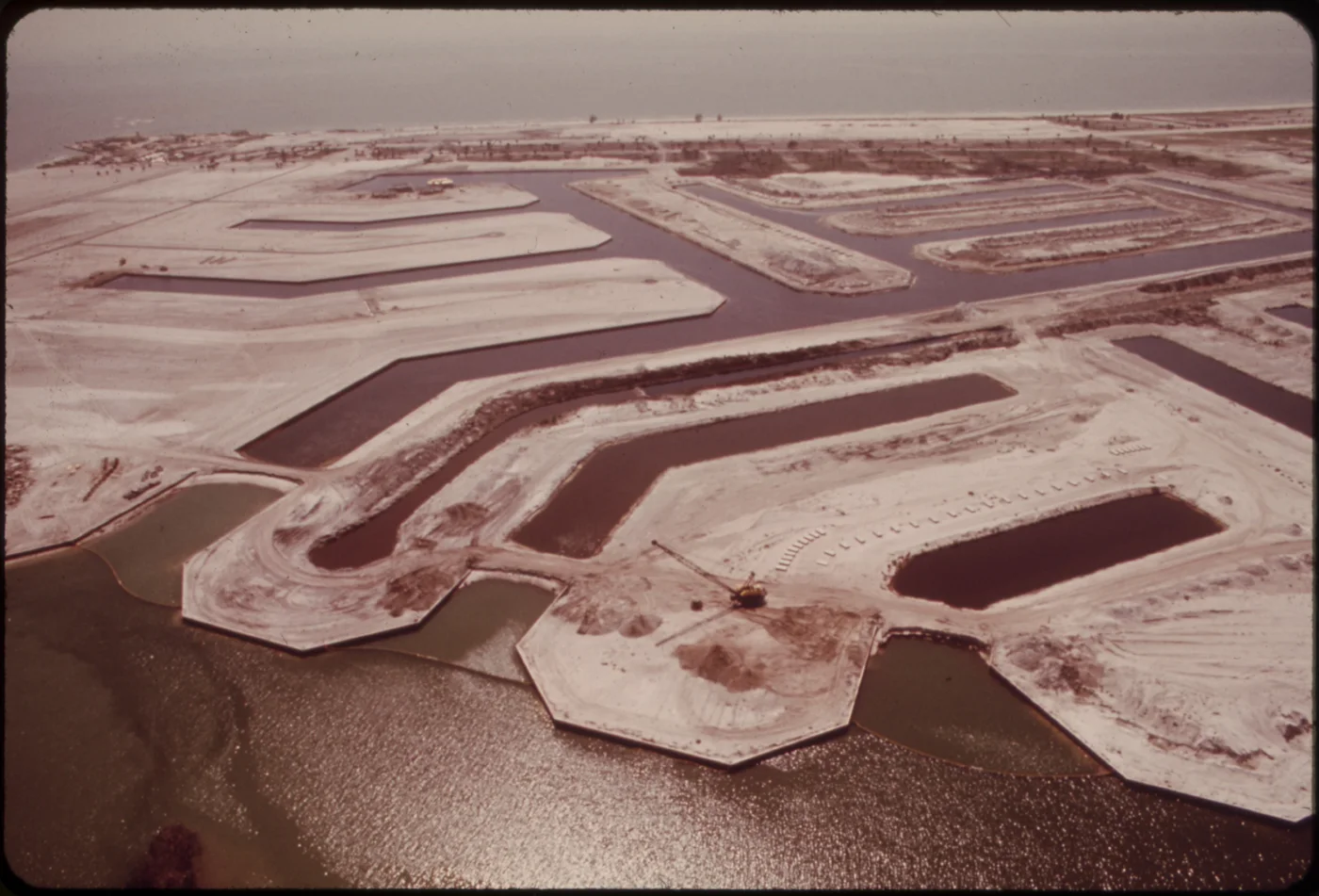
Marco Island development in June 1973. Flip Schulke, EPA DOCUMERICA, National Archives identifier 548599. Public domain historical photograph.
Budget for the whole stay
Start with lodging and transportation, then add the experiences you intend to book. Include parking and accommodation fees in the comparison. A cheaper room can require more spending on getting around; a more expensive location may make some daily journeys easier. Consider the total alongside the kind of vacation you want.
Set aside a realistic amount for food without assuming every meal needs to be a restaurant outing. Our restaurant guide helps you choose among breakfast stops, casual dinners and special evenings. Here, the useful decision is how often you want to eat out and how much cooking you want your holiday to involve.
Leave a little money uncommitted. You may discover an outing you didn't know about, want a second visit somewhere or decide that a more convenient ride is worth it. A budget with room for those decisions is easier to live with than one that allocates every dollar before you arrive.
Enjoy Marco as a place where people live
Much of the island is residential. Respect private driveways, docks and property entrances, even when the waterfront looks like an inviting place to stop. Park only where visitors are permitted and leave room for the people using a shared path or building entrance.
On a neighborhood walk, there's plenty to notice without turning it into a destination hunt: flowering plants, changing light on the canals and the way a street opens toward the water. Take photographs from public places and keep the people who live there in mind. Those smaller details often give a first visit its own character.

A flowering plant photographed on Marco Island by Kelly Sikkema. Archival image published in 2017 under CC0.
For wildlife viewing, bring patience rather than an expectation of a close encounter. Follow posted restrictions, avoid feeding animals and let a distant sighting be enough. A guide can help you understand what you're seeing, but no responsible outing can arrange the wildlife to a timetable.
Make departure easier before the final morning
A day or two before leaving, confirm your transport and look at the journey to the airport for the time you expect to travel. Add the time needed for fuel, rental return and the airline's check-in requirements. Work backward from those steps rather than from the road journey alone.
Check the property's departure instructions while you still have time to act on them. Return borrowed equipment, separate rubbish as requested and make sure the right person has the keys or entry details. Leave the last morning for breakfast and a final check of drawers, chargers and the safe, if you've used one.
A first Marco visit doesn't need to settle every future trip. Find a place that suits you, try the experiences you're most curious about and notice what you would happily do again. By the end of the stay, you'll have a better plan for the next one than any crowded itinerary could give you.
Sources and photo credits
Visitor information checked October 8, 2026. Airport arrangements, transit timetables and museum hours can change; confirm current details with the linked operators before visiting.
Paradise Coast getting around and road access
Southwest Florida International Airport ground transportation
RSW rental car collection and late arrivals
Collier County Airport Authority general aviation airports
Collier Area Transit maps timetables and Route 21
National Weather Service Southwest Florida rainy season
Marco Island Historical Museum visiting hours and admission
Marco Island Historical Society exhibits
Photo credits and licenses
All three photographs are archival. They are scaled without cropping or content changes. Preserve the credits, source links and applicable license links when publishing. No endorsement by the photographers or institutions is implied.
Driving to Marco Island by Danny Berger CC BY 3.0

Creative Commons Attribution 3.0 license
Marco Island canal development by Flip Schulke June 1973 public domain

