Best Things to Do on Marco Island
Updated October 8, 2026
Beaches, boat days and the quieter corners worth getting to know

Sunset over Marco Island beach and the Gulf. Photo by Chris DeSort, Unsplash License. Archival image published in 2017; full credit below.
The beach is probably what brought you to Marco Island. Give it a proper morning, with time for a swim, a walk and a little shell hunting, and you’ll understand why people come back. But there’s more to a stay here than finding a good spot for your chair. Get out among the mangroves, spend an hour with the island’s history, and leave an evening free to watch the light change over the Gulf.
For a first visit, build your days around one main outing. A boat trip and a long beach walk both deserve some breathing room, especially when you’re traveling with children. The places below will help you get to know Marco beyond the view from your balcony, with a few nearby water adventures included along the way.
South Beach or Tigertail? Start there
These are the two county beach access points most visitors will want to get familiar with: South Marco Beach Access and Tigertail Beach Park. Both lead to beautiful shoreline, but the days you’ll have there can feel quite different. Before loading the car with chairs, a cooler and every beach toy you own, decide whether you want a straightforward Gulf beach day or a longer wander through a coastal landscape.
South Marco Beach: keep it simple
If you’re picturing a morning on the sand with a swim and a walk along the Gulf, South Marco Beach is a good place to start. The county parking lot and restrooms are on Swallow Avenue, across South Collier Boulevard from the beach access. Use the restroom before heading over, and pack what you can comfortably carry across the road and down to the sand.
Once you’re settled, take a walk along the water before the cooler is open and everyone is comfortable in their chairs. You don’t need a destination; turn back when you’ve had enough. Keep an eye on your access point as you go. A row of beachfront buildings can look surprisingly similar when you’re trying to find the way back with sandy feet and a hungry group.
Tigertail: make a morning of it
Tigertail is the choice for people who like to explore. The lagoon, birdlife and outer Gulf beach give you several reasons to stop along the way, and getting to the open shoreline can be part of the outing. This is a place for walking shoes, a lighter load and enough time to enjoy the route. Look at the current park map and follow the signs; a lagoon crossing isn’t something every visitor needs to attempt.
Families can also use the park’s picnic areas and playground, with restrooms available before heading farther out. Bring your own water, snacks and beach gear. At the time of this guide’s review, the county listed concessions, food service and several rentals as closed until further notice. If an easy route from the car to a beach chair is your priority, consider that carefully before choosing Tigertail.
As of October 2026, both county beach pages list hours of 8 a.m. to sunset and a $10 parking fee without an eligible county beach parking permit. Dogs aren’t permitted at either park. The county links below are the place to confirm fees and any new access notices.
South Marco Beach official visitor information
Tigertail Beach official visitor information

A broad stretch of Marco Island beach. Photo by olekinderhook, CC BY 3.0. Archival photograph; full credit below.
Look down for shells, then up for shorebirds
Shelling gives a beach walk its own pace. Follow the line where the tide has left shells and seaweed, then look closer to the water to see what’s washing in. Some stretches will have more to look through than others, and the next walk may be completely different. Go for the pleasure of finding something interesting rather than expecting a bagful of perfect shells.
Look closely before putting a shell in your pocket. A hermit crab may be tucked inside, and living sand dollars and other animals belong in the water. Collect only empty shells where it’s permitted, and leave anything you’re unsure about. Florida’s rules vary by species and location; the FWC guidance below explains the distinction between empty shells and shells containing living organisms.
At Tigertail, bring binoculars if you have them. The tidal lagoon is part of the Great Florida Birding and Wildlife Trail, and nearby Big Marco Pass includes protected critical wildlife habitat. You can spend a surprisingly absorbing stretch of time watching birds feed in shallow water. Stay outside roped-off areas and give resting flocks room—if they’re moving away from you, step back.
There’s no need to turn shelling and birdwatching into separate excursions. Walk a little, look through a patch of shells, then pause by the shallows. This is one of the nicest ways to enjoy Tigertail without rushing straight past what makes it special.
Tigertail birdwatching information
Florida shell collecting guidance
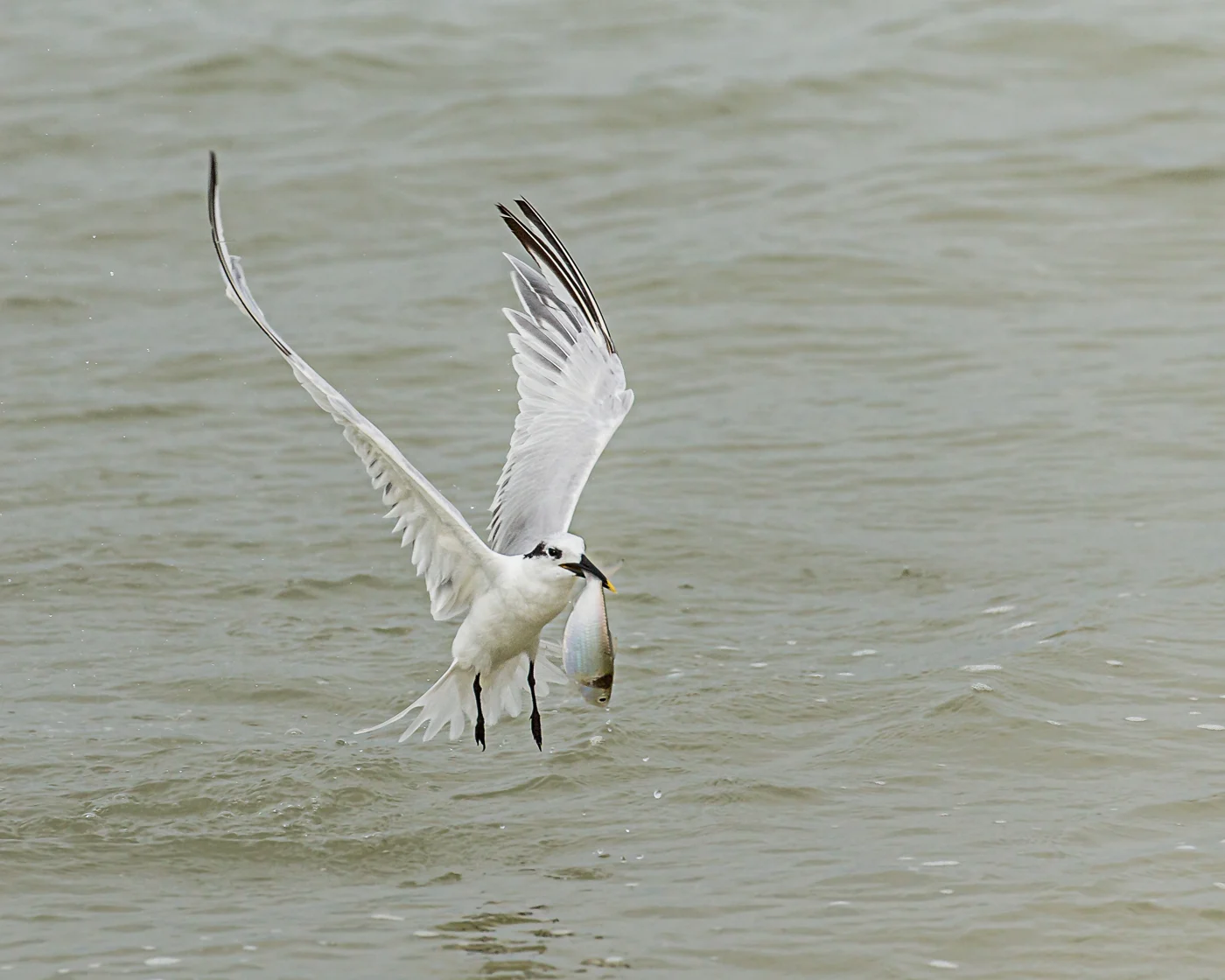
A Cabot’s tern carrying a fish at Tigertail Beach. Andy Morffew, CC BY 2.0. Full credit below.
Get out on the water
From shore, you see one side of Marco. A boat trip introduces you to the channels, mangrove edges and surrounding islands that make this corner of Southwest Florida so interesting. Excursions toward the Ten Thousand Islands can offer a very different view from the broad Gulf beach: narrower waterways, low islands and stretches where the scenery draws your attention away from the developed shoreline.
Choose the trip by what you want to do once you’re aboard. A sightseeing cruise suits a group that wants to sit back and enjoy the ride. A wildlife-focused outing gives more time to watch and learn, while a shelling excursion may include a beach landing. For that last option, ask how you get ashore and what you’ll need to carry. With children, shade, seating and trip length matter more than a long list of promised sights. Wildlife sightings are a possibility, not an appointment.
Check where the boat actually leaves from. Some trips sold to Marco visitors depart from nearby Goodland or another launch, so “Marco Island tour” doesn’t necessarily mean you can walk there from your hotel. Save the street address and check-in time, and find out how parking works. Sorting that out the night before makes for a much calmer morning.
Put your boat day early in the stay if you can. If weather changes the plan, you’ll have a better chance of finding another opening. Leave a little room after the return, too; getting everyone off the boat, back to the car and ready for dinner takes longer than the scheduled cruise time suggests.
Regional boating and nature activity information
Prefer a paddle? Give it its own morning
A kayak lets you linger in places a larger boat moves past. Along a mangrove edge, the interest is often in the small things: a bird above the water, movement beneath the surface, the shape of the roots along the bank. Paddling around Marco and the nearby estuaries can be a lovely change from the beach, provided the route suits your experience.
If coastal paddling is new to you, start with a guided outing. Tides, wind and boat traffic make it different from an afternoon on a sheltered lake. Ask where you’ll launch, how far you’ll travel and how much time is actually spent paddling. A tandem kayak may help some groups stay together, but it’s worth discussing the choice with the outfitter rather than assuming it will be easier for everyone.
More experienced paddlers can begin their research with the Paradise Coast Blueway routes. Then work through the details of that particular day: launch access, tide, wind and the return journey. Wear a fitted life jacket and bring water and a protected phone or other means of communication. A route that looks short on a map still deserves proper preparation.
Afterward, plan on lunch and a break. Even a gentle paddle uses energy, and nobody enjoys racing from wet clothes to another reservation. If you want a second activity, keep it short—a gallery browse or an easy evening meal is plenty.
Paradise Coast Blueway planning information
Get to know the Marco that came before the resorts
The Marco Island Historical Museum, at 180 South Heathwood Drive, is worth an hour even if museums aren’t usually the first thing on your vacation list. Its Calusa history and the story of the Key Marco Cat connect the island to a much older world than the one you see along the beachfront. The archaeological finds here give the place depth that a beach photograph can’t convey.
Later exhibits follow Marco through its working communities and the development that changed the island. Fishing, pineapple growing and a clam cannery are part of that story, along with the transformation into a modern resort destination. Seeing those chapters together makes the contrast between the island’s past and present much easier to appreciate.
Go early in your stay if history interests you. You’ll carry some of that context into the rest of the trip, particularly a visit to Otter Mound. Allow about an hour, or longer if you like reading the displays. The published museum schedule is Tuesday through Saturday, 9 a.m. to 4 p.m., with holiday closures; the museum link below has current exhibitions and visitor information.
With children, pick a few things to look for rather than trying to read every panel. How did people catch food? What did they make from the materials around them? What changed when the island grew? A small number of questions can keep everyone interested without making a vacation stop feel like homework.
Marco Island Historical Museum information and hours
Find a little shade at Otter Mound
Otter Mound Preserve is tucked into a residential neighborhood on Addison Court. It’s a small stop, but the tropical hardwood hammock feels quite different from the open beach. Take your time under the trees and look for the whelk-shell terraces, one of the preserve’s most distinctive features. The site brings together archaeological history and traces of later settlement.
Come expecting a short walk with interpretive signs, rather than miles of hiking trails. Shoes with a bit of grip make more sense than beach flip-flops on the natural surface. Stay on the established route and leave the shell features as you find them. This is also someone’s neighborhood: use designated parking and keep the visit considerate.
The museum and Otter Mound make a good pairing when you want a quieter half day. One tells the broader island story; the other gives you a place to pause and see a different landscape. If anyone needs a smooth walking surface, check the preserve’s suitability first. Small doesn’t necessarily mean easy underfoot.
Otter Mound Preserve visitor background
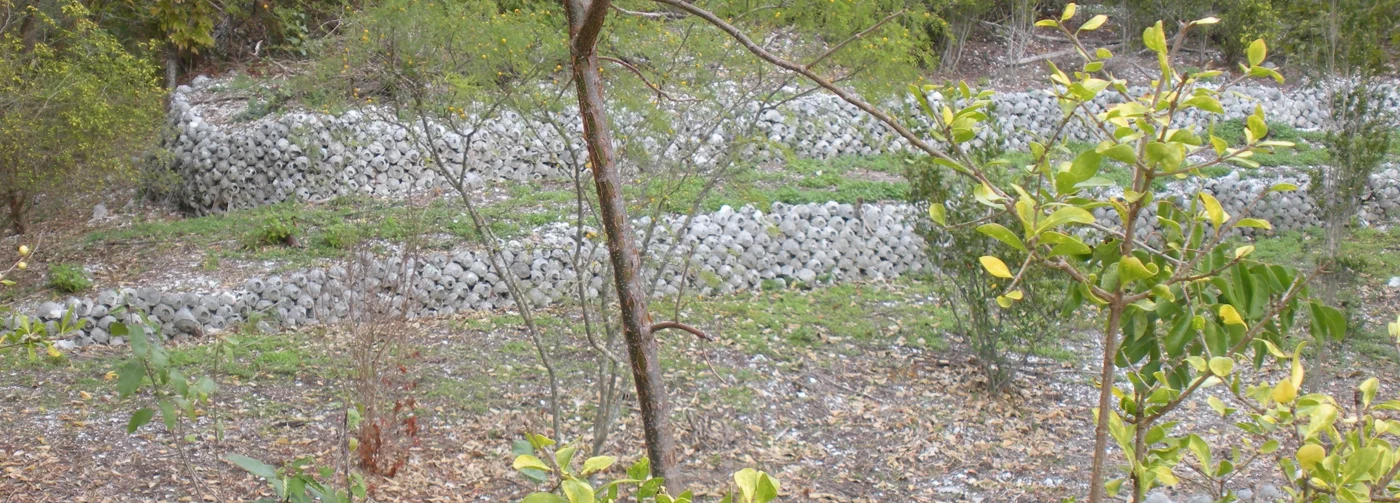
Whelk-shell terraces at Otter Mound Preserve. DCwom, public domain. Archival photograph from 2011.
Let the kids loose at Mackle Park
A family beach day can reach the point where everyone has had enough sand. Frank E. Mackle Community Park is a useful change of scene, with a playground, sports facilities and a walking route around the lake. Children can play while someone else takes a stroll, and you don’t have to persuade the whole group to do the same thing.
Bring a snack or make it a picnic stop. The park works well as a loose plan: stay while everyone is enjoying it, then head out when it’s time. If the splash area or a particular court is the reason for your visit, confirm that feature’s availability with the city before promising it to the children.
Mackle is also a good arrival-day option. After travel, a little space to move around can be more welcome than another scheduled activity. Save the boat excursion or long Tigertail walk for a morning when everyone has slept and you’ve found your bearings.
Mackle Park visitor information
Spend a little time with the island’s art
The Marco Island Center for the Arts is an easy way to add something different to a beach-heavy week. Browse the exhibitions, look through the Gift Gallery or choose a program from its events calendar. It’s the kind of stop that can fit into a free afternoon without taking over the day.
If you’re staying longer, consider a class. Read the dates carefully: some are single sessions, while others run over several meetings. For a short trip, an exhibition may be the better fit. Allow time to look at the work instead of hurrying through on your way somewhere else.
Keep the arts center and museum in mind for an indoor afternoon, but note their opening days before you need them. A rainy Monday and a rainy Saturday may call for different plans. A little advance thought is enough; there’s no need to book every spare hour.
Marco Island Center for the Arts exhibitions and calendar
Decide what kind of dinner you’re in the mood for
Some evenings call for a casual meal and an early night. Others are worth dressing up for and making dinner the main event. Let the day help you decide. After a long outing on the water, a convenient table and good food may be all you want; after a quiet afternoon, you might be ready to linger.
For a waterfront meal, pay attention to which water you’ll be looking at. A marina or bay view has its own appeal, with boats and changing light, but it won’t necessarily give you a Gulf sunset. If watching the sun go down is the point of the reservation, ask about the view and whether that outdoor seating can be reserved.
For seafood, ask what’s available that day and where it comes from. Coastal surroundings don’t tell you everything about the menu. With children, look at the actual choices they’ll eat and think about the wait; for a special occasion or dietary requirement, speak with the restaurant when booking. A few useful questions beat guessing from photographs.
Use the Visit Marco Island restaurant listings to pick a couple of possibilities before the trip. Have one easy option close to where you’re staying and one meal you’re looking forward to. Then you can make a decision over lunch instead of having everyone search on their phones when they’re already hungry.
Leave an evening for the sunset
Watching the sunset doesn’t need to be a major production. Choose a permitted beach access, a restaurant with the right view or a sunset boat outing, and arrive before the last few minutes of daylight. At county beaches, plan around the posted closing hours as well as the sunset time; you still need to get back to the access and your car.
Put the phone down for part of it. Take your photographs as the light changes, then give yourself a few minutes just to watch. Clouds can make the evening more interesting than a completely clear sky, and the experience is better when you aren’t trying to squeeze it between two appointments.
For another evening, look through the Visit Marco Island events calendar. Live music, art programs and community gatherings can give a trip a different flavor from the usual dinner-and-beach routine. Match the event to your actual travel dates and confirm tickets or reservations with the venue. Seasonal listings need that extra date check.
On a short stay, one organized evening and one open evening make a good combination. You may find an event that appeals, decide to stay longer over dinner or simply want another walk by the water. Keep a little room for that.
How to put three days together
You can get a good feel for Marco in three days without spending the whole visit in the car. Use this as a starting point and move the days around for weather, museum hours and tour availability.
Day one: beach first
Choose South Marco Beach for a straightforward morning by the Gulf, or Tigertail if you want more walking and wildlife along the way. Give the beach most of the morning, then head back for lunch and a break. Keep the afternoon easy while you get your bearings. An early dinner and time for sunset are enough to finish the day.
Day two: a boat or kayak outing
Make the water excursion the main plan. Have the departure address ready, allow time to get there and leave the afternoon loose. After lunch, you might want a little shopping, an arts-center visit or nothing more than the pool. If weather changes the outing, swap in an indoor stop and see whether you can reschedule for day three.
Day three: a different side of Marco
Visit the historical museum when it’s open, then choose Otter Mound for a short shaded walk or Mackle Park if the children need time to play. You don’t need to fit in both. Finish with the dinner you’ve been looking forward to, and give yourself time to enjoy it.
A few details that make a real difference
Beach access matters when choosing where to stay. Ask exactly how you’ll reach the sand and what equipment is included. Chairs and umbrellas are useful only if you know where to pick them up and whether you’ll be carrying them yourself. A little clarity here can make every beach morning easier.
Save the exact entrance or launch address for each outing. The general attraction name isn’t always enough, particularly for boat trips leaving from nearby communities. A car helps when you’re combining different parts of Marco or reaching an off-island launch, but grouping nearby stops keeps driving from taking over the day.
Keep water, sun protection, a hat and any essential medication in a bag you can grab on the way out. Protect your phone from water and sand, and choose footwear for the outing rather than wearing beach sandals everywhere. Check weather and beach notices before getting on the water; if thunderstorms approach, move indoors.
For mobility needs, ask about the actual route: distance from parking, surfaces, steps and boarding arrangements. That gives you a clearer answer than a general accessibility label, especially at a beach or on a small boat. Choose the outing that everyone can comfortably enjoy.
The best Marco itinerary leaves time to settle into each place. Pick the beach that suits your group, get out on the water if you can, and try one or two stops that show you another side of the island. Then leave enough space for a second walk, a longer lunch or the simple pleasure of staying right where you are.
Sources and photo credits
Visitor details reviewed October 7, 2026. The planning suggestions and proposed itinerary are editorial recommendations. Photographs are archival and are not evidence of current access or operating conditions.
Collier County Parks — South Marco Beach Access
Collier County Parks — Tigertail Beach Park
Great Florida Birding and Wildlife Trail — Tigertail Beach
Florida Fish and Wildlife Conservation Commission — Shell collecting
Collier County Museums — Marco Island Historical Museum
Florida Hikes — Otter Mound Preserve
Must Do Visitor Guides — Mackle Park
Marco Island Center for the Arts
Paradise Coast — Outdoors and Nature
Paradise Coast — Blueway Trail
Photo attribution
All four images are reproduced without cropping or content alterations and scaled to fit the document. Preserve the credits and license links when publishing them online.
Marco Island beach at sunset — Chris DeSort · Unsplash License
Marco Island beach — olekinderhook, CC BY 3.0

Cabot’s tern at Tigertail — Andy Morffew, CC BY 2.0

Otter Mound whelk terraces — DCwom, public domain
